

Brain fog at 2 p.m. is not a personal failing. It is biology. Your alertness naturally dips in the early afternoon, and if you are pushing through a demanding workday or a long study session, that slump can feel like a wall. Most people reach for another cup of coffee. But caffeine is not always the right move, and for some, it is simply not an option. The good news: science has identified multiple effective, caffeine-free strategies that genuinely work. This guide walks you through each one, step by step, so you can build sustained mental clarity on your own terms.
Table of Contents
- Preparation: Foundations for natural alertness
- Step 1: Move your body — The role of exercise in keeping sharp
- Step 2: Harness micro-breaks and the art of rest
- Step 3: Mindfulness, focus boosters, and alternative supports
- The real secret to all-day energy without caffeine
- Explore smarter focus supports
- Frequently asked questions
Key Takeaways
| Point | Details |
|---|---|
| Build strong foundations | Consistent sleep, hydration, and light exposure are essential for natural alertness. |
| Exercise boosts brain power | Moderate movement enhances focus and counters fatigue without caffeine. |
| Strategic breaks sustain attention | Micro-breaks, stretching, and rest keep your mind sharp during long sessions. |
| Mindfulness and supplements help | Mindfulness and L-Theanine can boost focus and resilience without the jitters. |
Preparation: Foundations for natural alertness
Before any technique or supplement can work, your body needs a solid base. Think of it as calibrating your cognitive operating system before running demanding programs. Three pillars matter most: sleep, hydration, and light exposure.
Sleep is your most powerful focus tool. The research is clear: 7-9 hours of consistent sleep and solid sleep hygiene are the single highest-leverage investment you can make in your alertness. Fixed wake and sleep times, a cool and dark room, and no screens in the final hour before bed all make a measurable difference.
Hydration matters more than most people realize. Even mild dehydration, around 1-2% of body weight, impairs attention, short-term memory, and reaction time. Drink water consistently throughout the day, not just when you feel thirsty.
Light exposure is a natural alertness trigger. Morning sunlight and strategic light exposure support your circadian rhythm, the internal clock that regulates when you feel awake and when you feel drowsy. Aim for 10-20 minutes of natural light in the morning.
| Habit | Timing | Effect on alertness |
|---|---|---|
| Consistent sleep schedule | Daily | Stabilizes circadian rhythm |
| Morning light exposure | Within 1 hour of waking | Boosts cortisol and alertness |
| Hydration (8+ cups/day) | Throughout the day | Prevents cognitive dips |
| Screen-free wind-down | 60 min before bed | Improves sleep quality |
| Short nap (under 30 min) | Early afternoon | Restores attention without grogginess |
A few habits to protect your sleep quality:
- Avoid alcohol within 3 hours of bedtime
- Keep your bedroom temperature between 60-67°F
- Limit caffeine after 1 p.m. if you do use it
- Use blackout curtains or a sleep mask
Pro Tip: A nap under 30 minutes, sometimes called a “power nap,” can restore alertness without leaving you groggy. Set an alarm and keep it short.
Step 1: Move your body — The role of exercise in keeping sharp
Once your foundations are set, it is time to activate your focus. Your first active tool is movement, and it is more powerful than most people expect.
You do not need a full gym session. Moderate aerobic exercise enhances attention and processing speed, and even low-intensity movement can counter the cognitive effects of a poor night of sleep. Just 10-20 minutes of brisk walking is enough to shift your brain into a sharper gear.
| Exercise type | Duration | Cognitive benefit |
|---|---|---|
| Brisk walking | 10-20 min | Boosts attention and processing speed |
| Light stretching | 5-10 min | Reduces mental fatigue |
| Moderate aerobic (cycling, jogging) | 20-30 min | Enhances executive function |
| Low-intensity movement (standing, pacing) | Ongoing | Counters sleep deprivation effects |
Here is how to build movement into a demanding workday:
- Walk briskly during your lunch break
- Do 10 jumping jacks or a short stretch between tasks
- Stand and pace while taking calls
- Use a standing desk for part of your day
- Take the stairs instead of the elevator
The key insight here is timing. Exercise works best as a focus reset, not just a morning ritual. A 15-minute walk mid-afternoon can be more effective than a second coffee because it addresses the physiological cause of the slump rather than masking it.
Pro Tip: Pair a Pomodoro timer (25 minutes of focused work, 5-minute break) with a standing stretch or short walk during each break. You will feel the difference within a single workday.
Step 2: Harness micro-breaks and the art of rest
Exercise is not the only way to refresh your brain. Structured rest, even in very small doses, is just as critical for sustained performance.
Research shows that micro-breaks of 30-60 seconds every 15-20 minutes maintain attention and reduce fatigue over long work sessions. Hourly breaks of 1-3 minutes provide an additional layer of recovery. These are not luxuries. They are performance tools.
“Meta-analyses confirm that micro-breaks enhance motivation, reduce fatigue, and support sustained cognitive output across demanding work sessions.”
Here is a simple micro-break system you can start today:
- Set a repeating timer for every 20 minutes
- When it goes off, stop and look at something 20 feet away for 20 seconds (the 20-20-20 rule, which also protects your eyes)
- Stand up, roll your shoulders, and take three slow, deep breaths
- Every hour, take a 1-3 minute active break: walk to the window, refill your water, or do a short stretch
- After 90 minutes of focused work, take a longer 10-minute reset before starting a new block
Active breaks outperform passive ones. Scrolling your phone during a break does not give your brain the recovery it needs. Standing, stretching, and looking at a distance do.
Pro Tip: Set your break timer as a non-negotiable calendar block. Treat it like a meeting you cannot skip. Consistency is what makes micro-breaks effective over time.
Step 3: Mindfulness, focus boosters, and alternative supports
Now that physical and strategic rest are covered, it is time to strengthen your attention from the inside. Two approaches stand out: mindfulness practice and targeted, non-caffeinated supplements.
Mindfulness meditation is one of the most evidence-backed tools for cognitive performance. Mindfulness improves focus, reduces stress, and builds the kind of mental resilience that holds up under pressure. An 8-week mindfulness program has been shown to reduce stress and burnout at levels comparable to some clinical interventions. You do not need to meditate for an hour. Even 10 minutes of focused breathing daily produces measurable results.

L-Theanine is an amino acid found naturally in green and white tea. At 200mg, L-Theanine supports calm, alert focus without the jitteriness or crash associated with caffeine. It works by promoting alpha brain wave activity, which is associated with a relaxed but attentive mental state. It pairs well with low-caffeine teas and is considered safe for regular use.
Here are practical ways to integrate these supports:
- Start your morning with a 10-minute guided meditation before checking messages
- Drink green or white tea in the afternoon instead of coffee
- Use a mindfulness app with short, focused sessions for busy days
- Consider an evidence-based focus alternative if you want a more targeted approach
- Explore the science behind L-Theanine and how it fits into a broader cognitive support routine
Mindfulness and L-Theanine are not magic. They work best when layered on top of the sleep, hydration, movement, and rest practices already described. Together, they form a complete, caffeine-free alertness system.

The real secret to all-day energy without caffeine
Here is the honest truth that most productivity articles skip: there is no single hack that keeps you sharp all day. The people who perform consistently in high-pressure environments are not using one clever trick. They are using a layered system of small, repeatable behaviors.
Sleep, hydration, morning light, movement, micro-breaks, mindfulness, and targeted supplements like L-Theanine each contribute a modest but real improvement. Stack them, and the effect is substantial. Skip most of them and rely on one method, and you will always be chasing your tail.
Layering micro-breaks with focused work cycles like the Pomodoro method is particularly effective in high-pressure environments because it matches how the brain actually recovers, in short, frequent intervals rather than long, infrequent rests.
The contrarian insight here is this: most people overestimate what a single intervention can do and underestimate what a consistent routine of small practices delivers. You do not need to overhaul your life. You need to be deliberate about stacking the right behaviors, day after day. That is what sustained alertness actually looks like.
Explore smarter focus supports
For those wanting a ready-made, science-backed focus aid, consider these innovative options.
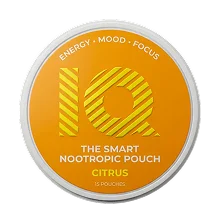
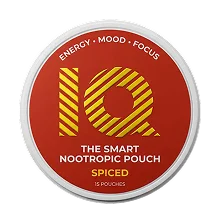
If you have built the habits above and want an additional edge, IQ Pouch products are designed to fit seamlessly into a caffeine-free or low-caffeine routine. The IQ Smart Pouch delivers clean, sustained focus using pharmaceutical-grade ingredients including paraxanthine, a caffeine metabolite that provides sharp energy without jitters, crashes, or dependency.
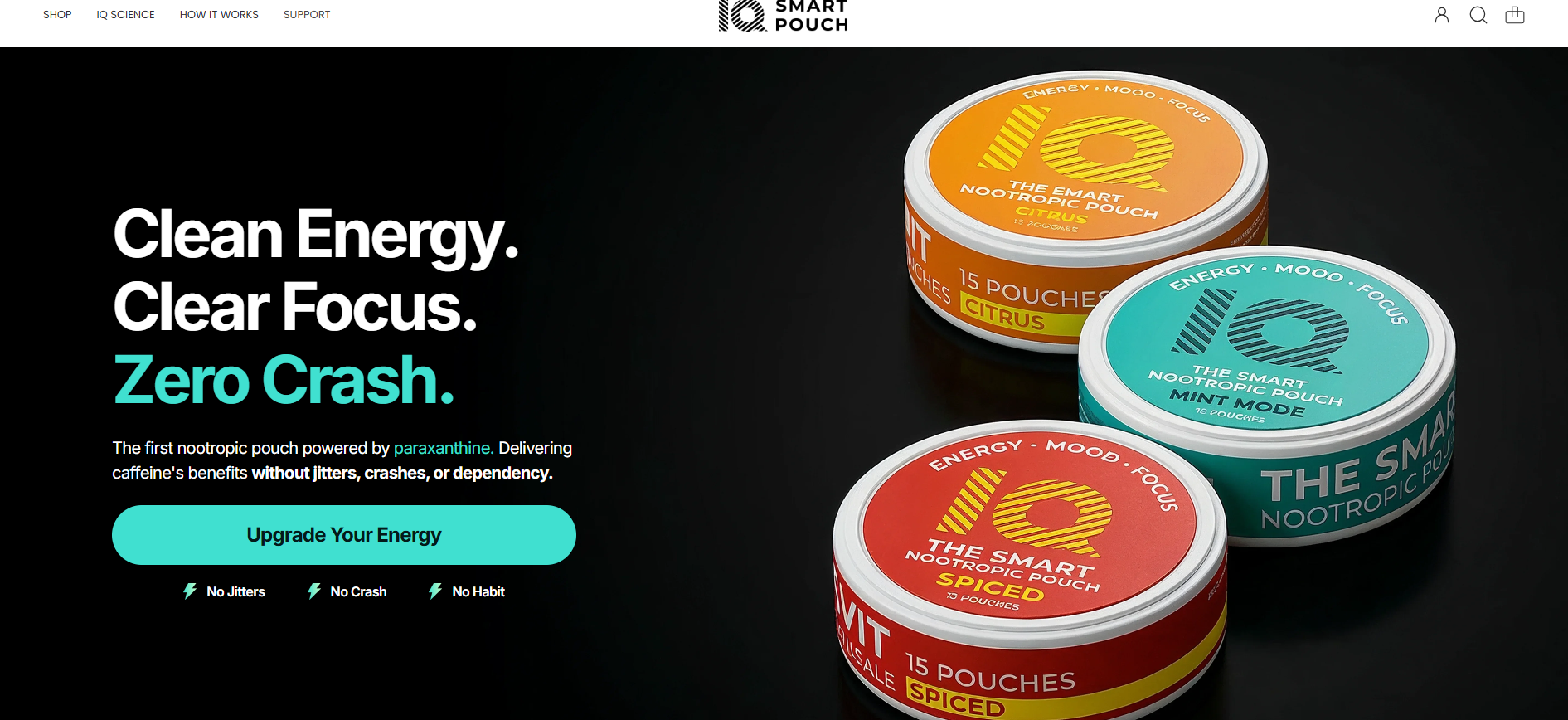
Explore the IQ Science page to understand exactly how the formulation works and why paraxanthine outperforms traditional caffeine for focused energy. If you are ready to move beyond coffee and energy drinks, IQ Pouches as a focus alternative gives you a practical, portable option that supports the strategies covered in this guide.
Frequently asked questions
What is the fastest way to wake up without caffeine?
Expose yourself to morning sunlight, drink water, and do 10 minutes of brisk movement for rapid, non-caffeinated alertness. These three actions together signal your brain and body to shift into an alert state quickly.
Do power naps really help you focus?
Yes. Short naps restore attention without harming nighttime sleep quality, as long as you keep them under 30 minutes and avoid napping too late in the afternoon.
Are there supplements that help focus without caffeine?
Yes. L-Theanine enhances calm focus and reduces fatigue without the crash or jitters of caffeine, making it a practical option for professionals and students who need sustained alertness.
How often should I take breaks to stay sharp?
Take a short break every 15-20 minutes and use 1-3 minute breaks hourly for sustained productivity. Consistent, structured rest intervals are more effective than waiting until you feel mentally exhausted.
Recommended
- Stop the 2PM Crash: Why IQ Pouches Beat Coffee & Energy Drinks
- IQ Smart Pouch Spiced – IQ Pouch
- IQ Smart Pouch Mint Mode – IQ Pouch
- IQ Smart Pouch – IQ Pouch