

Reaching for another cup of coffee when your focus slips is almost automatic. But if you’re serious about sustained cognitive performance, that reflex might be working against you. Jitters, crashes, and GI discomfort are real costs. Portable nootropics, science-backed supplements in pouches, chews, or drink mixes, offer a cleaner path to focused energy. They’re discreet, fast-acting, and built for the demands of high-performance professionals who can’t afford a 2 p.m. slump. This guide breaks down how they work, what the evidence actually shows, and how to integrate them into a demanding lifestyle without the guesswork.
Table of Contents
-
Why portability matters: Performance in high-demand environments
-
A performance edge, not a magic fix: What most professionals get wrong about nootropics
Key Takeaways
| Point | Details |
|---|---|
| Sustained cognitive performance | Portable nootropics deliver focus and energy benefits using scientifically backed ingredients. |
| Less jitter, steady energy | They provide smoother, longer-lasting energy compared to high-caffeine options like coffee. |
| Portable and convenient | Designed for use during busy workdays, travel, and remote settings—no mess or GI discomfort. |
| Safe use is essential | Monitor for side effects and remember that nootropics are a support, not a substitute, for healthy habits. |
What are portable nootropics and how do they work?
Nootropics are substances that support cognitive function. Think focus, memory, mental clarity, and stress resilience. The term covers a wide range of compounds, from well-studied amino acids to plant extracts and metabolites of caffeine. Portable nootropics take this one step further by packaging these ingredients into formats you can use anywhere, without brewing, blending, or measuring.
Common formats include oral pouches (placed between the gum and lip), dissolvable chews, and single-serve drink mixes. Each delivers active ingredients quickly and conveniently, which matters when you’re between meetings or boarding a flight.
Key active ingredients to know:
-
Citicoline: A precursor to acetylcholine, a neurotransmitter central to learning and memory. It supports brain cell membrane integrity and is one of the most studied cognitive ingredients available.
-
L-theanine: An amino acid found naturally in green tea. It promotes calm, alert focus without sedation. Pairs exceptionally well with caffeine to smooth out its stimulant edge.
-
Low-dose caffeine or paraxanthine: Paraxanthine is a metabolite of caffeine that delivers clean energy and focus. Unlike caffeine, it’s less likely to spike anxiety or disrupt sleep architecture.
-
Bacopa monnieri: A plant extract with evidence for improving memory consolidation over time.
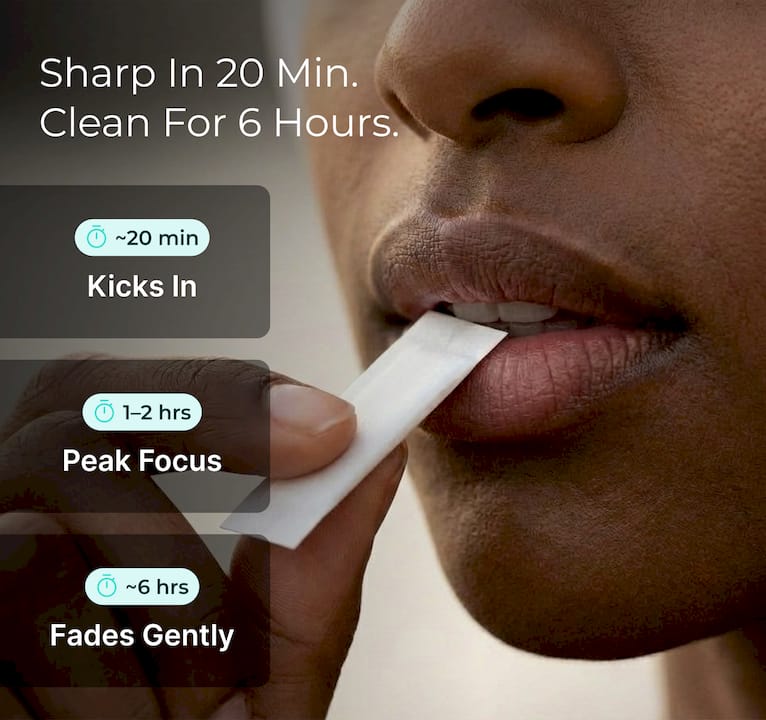
Absorption is where portable formats win. Oral pouches, for example, allow ingredients to absorb through the mucous membrane, bypassing the digestive system. This means faster onset and more predictable effects compared to pills or drinks that depend on GI absorption. You can explore the science behind nootropics to understand exactly how these mechanisms work.
| Ingredient | Primary effect | Onset speed |
|---|---|---|
| Citicoline | Memory, focus | 30-60 min |
| L-theanine | Calm focus, stress buffer | 30-45 min |
| Paraxanthine | Clean energy, alertness | 15-30 min |
| Bacopa monnieri | Memory consolidation | Weeks of use |
| Low-dose caffeine | Alertness, reaction time | 15-30 min |
Ingredients like citicoline and L-theanine improve focus and mental clarity, while low-dose caffeine avoids jitters when dosed correctly.
Pro Tip: Look for multi-ingredient blends rather than single-compound products. Combining L-theanine with paraxanthine or caffeine, for example, produces smoother, more sustained results with a lower risk of overstimulation.
Cognitive benefits: What does the evidence say?
The research on nootropic ingredients has grown significantly in recent years. Double-blind, placebo-controlled trials are now the standard for credible claims, and several key ingredients have earned strong evidence across multiple studies.
Here’s what the research consistently shows for high-performing adults:
-
Improved selective attention: The ability to stay focused on one task while filtering out distractions.
-
Enhanced working memory: Holding and manipulating information in real time, critical for complex decision-making.
-
Faster reaction time: Relevant for anyone in fast-moving, high-stakes environments.
-
Stress resilience: Reduced cortisol response during cognitively demanding tasks.
-
Sustained mental clarity: Fewer cognitive dips across a long workday.
Multi-ingredient nootropics match caffeine for selective attention gains without blood pressure spikes, and plant extracts like black cardamom enhance reaction speed and accuracy in clinical settings.

One particularly compelling finding: RCTs show significant improvements in the Shifting Attention Test and Stroop Test comparable to 150mg caffeine, but with steadier, more consistent effects across the testing window.
| Factor | Portable nootropics | Caffeine supplement | Coffee |
|---|---|---|---|
| Focus duration | 3-5 hours, steady | 2-4 hours, variable | 1-3 hours, variable |
| Alertness | High | High | Moderate to high |
| Side effects | Minimal | Jitters possible | GI issues, jitters |
| Energy curve | Smooth | Peaks and dips | Sharp peak, crash |
| Portability | Excellent | Good | Poor |
For a direct product-level look, the citrus blend comparison shows how a well-formulated pouch stacks up against your morning coffee. You can also compare to coffee across several performance metrics.
The takeaway is not that nootropics are miracle products. They’re not. But for professionals who need reliable, clean cognitive support across a demanding day, the evidence is genuinely encouraging.
Why portability matters: Performance in high-demand environments
Knowing the science is one thing. Fitting it into a real schedule is another. This is where format matters as much as formula.
Consider the typical friction points with traditional stimulants:
-
Coffee requires access to a machine, a cup, and ideally a bathroom nearby afterward.
-
Energy drinks are bulky, sugary, and often loaded with ingredients you don’t need.
-
Powder supplements require measuring, mixing, and a shaker bottle.
-
Pills and capsules can cause GI discomfort, especially on an empty stomach.
Portable nootropics eliminate most of this friction. A pouch fits in your pocket. You use it at your desk, in the back of a cab, on a plane, or in a conference room without drawing attention.
Here are the scenarios where portable formats genuinely outperform traditional options:
-
All-day meetings: No coffee breath, no bathroom urgency, no mid-afternoon crash.
-
Long-haul travel: No liquid restrictions, no need for airport coffee, no disrupted sleep from a late espresso.
-
Remote work: Avoids the trap of overcaffeination that remote workers commonly fall into.
-
High-stakes presentations: Calm, focused alertness without the visible jitteriness caffeine can cause.
-
Early morning starts: Fast-acting formats get you sharp before the coffee machine even finishes brewing.
“Remote workers drink 30% more coffee; portable nootropics prevent overcaffeination and sustain energy without the GI distress or dependency cycle.”
Pro Tip: Try replacing one daily coffee with a portable pouch, specifically the one you reach for around 2 p.m. That’s when caffeine sensitivity is highest and the crash hits hardest. Swapping it out is one of the fastest ways to beat the afternoon crash without sacrificing output.
Risks, limitations, and safe use guidelines
Portable nootropics are not without caveats. Honest performance professionals know that any tool has limits, and this one is no different.
First, set realistic expectations. Most people experience a meaningful but modest improvement in clarity and focus. You will not suddenly become a different thinker. The benefit is a cleaner, more consistent version of your existing cognitive capacity.
Common risks to be aware of:
-
Headaches: Often linked to choline depletion when using certain racetam-based compounds.
-
Stimulant dependency: Products with caffeine or caffeine-adjacent ingredients can create reliance if used daily without breaks.
-
Overstimulation: Stacking multiple stimulant sources (coffee plus a caffeinated pouch, for example) increases anxiety and heart rate risk.
-
Neurotoxicity potential: Some unregulated compounds, particularly synthetic nootropics, carry risk at high doses.
No FDA approval exists for nootropic brain enhancement claims, and common risks include headaches and potential stimulant dependency with unregulated products.
Three rules for safe, effective use:
-
Vet your source. Only use products with full ingredient transparency, third-party testing, and pharmaceutical-grade manufacturing standards.
-
Cycle your use. Avoid daily reliance on stimulant-containing nootropics. Build in rest days to prevent tolerance buildup.
-
Stack wisely. Do not combine multiple stimulant sources. If you use a caffeinated pouch, skip the afternoon coffee.
Sleep, exercise, and stress management remain the foundation of cognitive performance. Nootropics work best as an enhancement layer on top of solid fundamentals, not as a substitute for them. Review the understanding safety research available for any product before committing to regular use.
A performance edge, not a magic fix: What most professionals get wrong about nootropics
Here’s the uncomfortable truth most nootropic content won’t tell you: the professionals who benefit most from portable nootropics are already doing the basics well.
They sleep consistently. They move their bodies. They manage their stress intentionally. For them, a well-formulated pouch is a genuine edge during a high-stakes presentation or a brutal travel week. It sharpens what’s already sharp.
The professionals who get the least from nootropics are those using them to compensate for poor sleep, chronic stress, and a sedentary lifestyle. No supplement closes that gap.
The trap is real. The cognitive performance space is full of new products promising exponential gains. Chasing every new compound is a distraction from the fundamentals that actually move the needle. Master those first.
Strategic use is the key phrase here. Use portable nootropics during periods of genuine high cognitive demand, not as your default daily operating system. That’s when they deliver. That’s when the clean energy and sustained focus actually translate into better decisions, faster thinking, and sharper output. See why IQ Pouches are different from the stimulant-heavy alternatives most professionals default to.
Try portable nootropics and experience smarter energy
You now have a clear picture of what portable nootropics can and cannot do. The next step is finding a product that meets the bar: transparent ingredients, pharmaceutical-grade quality, and real science behind the formula.
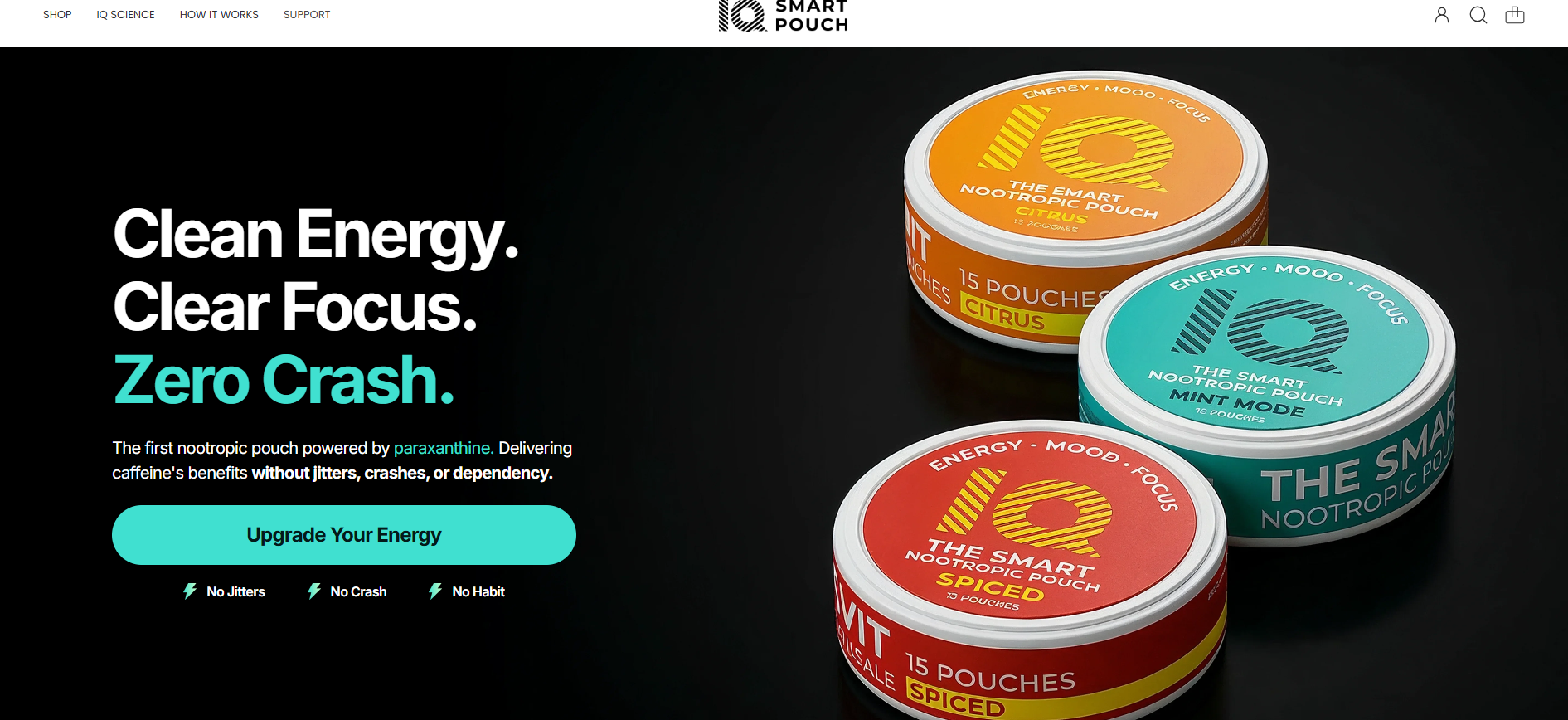
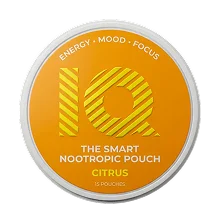
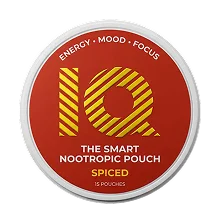
Learn more about key ingredients and the research that supports them before you buy. If you’re ready to try, the IQ Smart Pouch Citrus is a clean, focused option for daytime performance. Prefer something cooler? The IQ Smart Pouch Mint Mode delivers the same clean paraxanthine-powered energy with a refreshing finish. Both are built for professionals who want results without compromise. Add one to your performance toolkit and feel the difference.
Frequently asked questions
Are portable nootropics safe for daily use?
Portable nootropics are generally safe in moderation when sourced from reputable, transparent manufacturers. However, no FDA approval exists for cognitive enhancement claims, so monitor for side effects and cycle use to avoid dependency.
Can portable nootropics replace my daily coffee?
Many professionals find them a strong alternative, offering sustained energy and focus without the crashes or GI issues. Portable nootropics avoid the jitters and energy dips associated with coffee, making them a viable occasional or partial replacement.
What results can I realistically expect?
Expect a meaningful but modest improvement in clarity, focus, and stress resilience. Multi-ingredient nootropics match caffeine’s selective attention and executive function improvements in studies, but with steadier effects rather than dramatic cognitive leaps.
Who should avoid using portable nootropics?
Anyone with existing health conditions, stimulant sensitivity, or current medication use should consult a healthcare provider first. Potential risks and contraindications are meaningfully greater for sensitive individuals, and professional guidance ensures safe integration.